A deeper understanding
Psychodynamic psychotherapy in Carlton, Melbourne
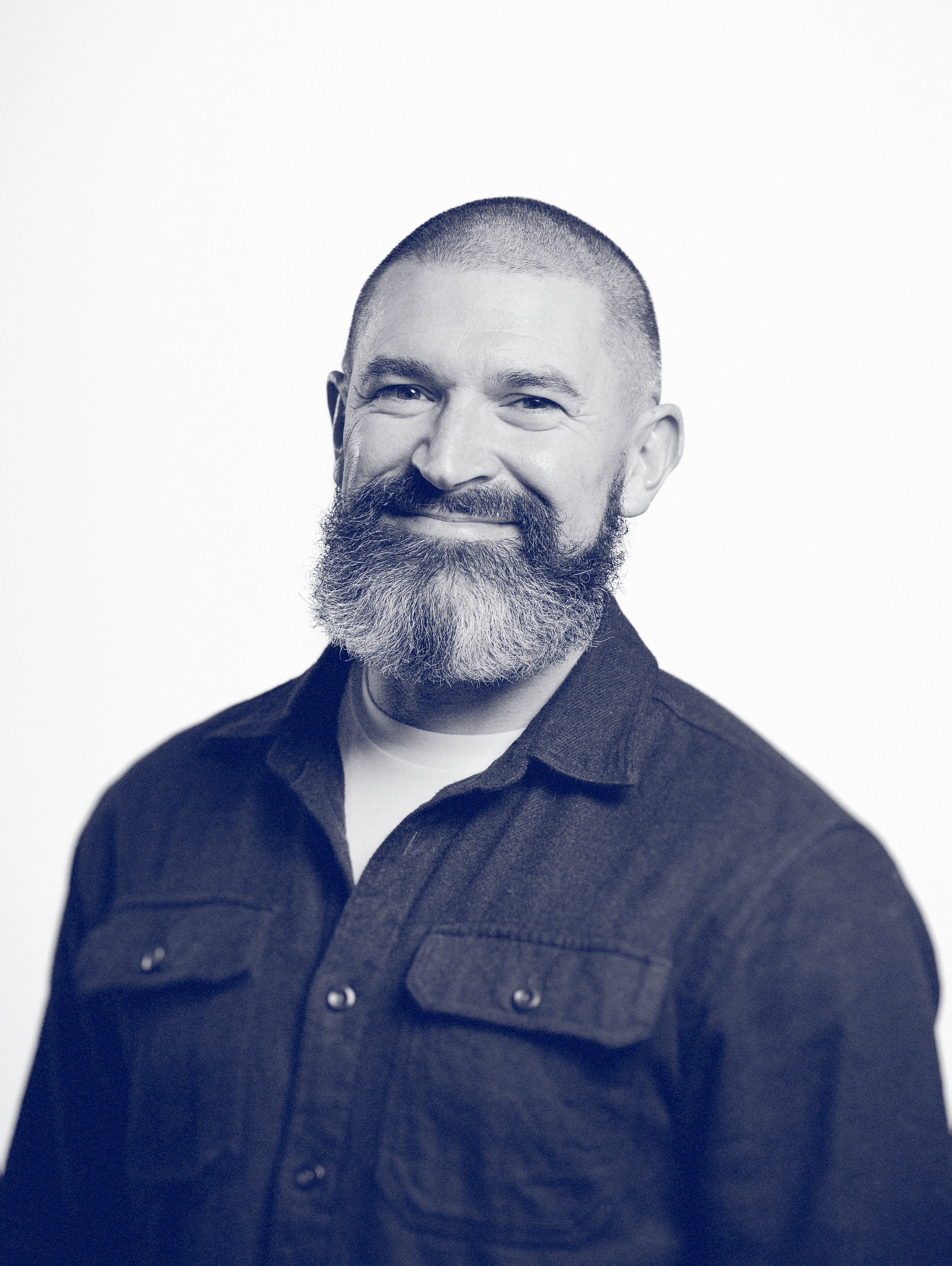
There are times when the ways in which we understand ourselves, relate to others, or manage difficult feelings no longer seem to work. Therapy offers a space to slow things down, understand what’s happening, and find new ways of responding.
I’m a psychodynamic psychotherapist for individuals and couples. My approach is grounded in the belief that we’re shaped by a combination of our past experiences, our relationships to others, and by patterns of understanding ourselves. Together, we explore these patterns, including those that might be difficult to recognise or change on your own.
I’m interested in how you experience yourself and your relationships — your emotional life, sense of identity, and the behaviours that can leave you feeling stuck, alone, or disconnected.
Therapy is a collaborative process. My role is to listen carefully, think alongside you, and develop a deeper understanding of yourself. It then becomes possible to relate to yourself and others differently, and make changes that feel meaningful and lasting.
Is therapy right for me?
You might be considering therapy because something in life feels difficult, repetitive or out of balance — or because you simply want to understand yourself more deeply.

I work with people experiencing:
depression, anxiety & persistent distress
difficulties in relationships, intimacy & connection
questions around identity, gender & sexuality
loneliness, isolation or a sense of not belonging
the effects of childhood or relational trauma
addiction & problematic substance use
difficulties with emotional regulation, including BPD
dissociation & difficulties with a sense of self
major life transitions, loss & periods of uncertainty
a desire for greater self-understanding & personal growth
The Conversational Model
My therapy practice is based on the Conversational Model, a psychodynamic and evidence-based treatment informed by psychoanalytic thinking, and grounded in attachment, trauma and self-psychology theories.
The Conversational Model is a warm but highly focused relational therapy. Together, we work to understand your experience — including the feelings, patterns and ways of relating that may be difficult to recognise or put into words. Through this process, therapy can help make sense of what’s happening in your life, and why certain difficulties may be challenging to overcome alone. The model was developed in Australia and the UK in the 1960s by psychiatrists Russell Meares & Robert Hobson, and emphasises the therapeutic relationship itself as an agent for change.
Change doesn’t always come about through short-term solutions or techniques that some therapies offer. The Conversational Model works to bring about lasting insight. Over time, these insights allow you to feel more secure in who you are, navigate relationships with greater awareness, and live with a stronger sense of choice and authenticity.
FAQ
-
Our initial session is an opportunity for us to meet, and to understand what brings you to therapy. We might talk about what’s happening in your life now, your relationships and relevant experiences from your past.
This is also an opportunity for you to get a sense of what it’s like to work with me, and whether the approach feels right for you.
-
Couples and polycules come to therapy for many reasons: recurring conflict, emotional distance, difficulties with intimacy or communication, changes in the relationship, or a sense that they’re no longer able to reach each other in the way they once could.
I practice Emotionally Focused Couples Therapy (EFT), an evidence-based approach that understands relationship difficulties through the lens of attachment and emotional connection. EFT helps couples & polycules identify the patterns they can become caught in, such as pursuing and withdrawing, criticism and defensiveness, or conflict and disconnection. From there, we begin to understand the underlying needs and fears that drive these patterns.I also bring my psychodynamic training to couples work. This means looking beyond the immediate conflict to understand each person's emotional world, relationship history and ways of responding to closeness, vulnerability and conflict. We pay attention to what happens between you, while also considering the experiences each individual brings into the relationship.
Together, we work towards creating a more secure, reflective, and responsive relationship that can withstand and navigate difficulties.
All sexualities, gender, and relationship constellations are welcome. -
There’s no fixed number of sessions, but generally-speaking, it becomes clear for both of us when we feel we’ve achieved the change we set out to.
The length of therapy depends on what brings you to treatment, what you want to explore and the nature of the difficulties you’re experiencing.Some people come for a relatively focused period of time (10-20 sessions), while others benefit from ongoing, longer-term work. We can review how things are progressing as the therapy develops.
-
Regular weekly sessions are most effective in bringing about insight and change. They allow both the therapeutic relationship and our understanding of your experience to develop over time. Meeting consistently gives us the opportunity to notice patterns as they emerge, rather than only discussing them retrospectively.
-
Therapy can sometimes bring difficult feelings or experiences into our awareness. This is often an important part of the work, but equally, we’re focused on keeping you as contained and safe in the work as possible.
We pay attention to pace, and to what you’re able to process at any given time. Stability, security and connection are vital in successful therapy, and part of our work together is monitoring your emotional regulation.
-
No, you don’t need a diagnosis or referral. The Conversational Model is suited for people experiencing diagnosed psychological challenges (BPD, dissociation, depression), as well as for those who are functioning well but want to understand themselves more deeply.
-
Yes. Though my preference is to work with people in-the-room because I believe the therapeutic connection to be stronger, I also offer online/telehealth sessions for clients who can’t make it in person.
-
What you discuss in therapy is treated as private and confidential.
There are limited circumstances in which confidentiality may need to be breached, particularly where there are serious concerns about someone's safety or where disclosure is legally required. You’re always welcome to ask questions about this.
-
$150 (50 mins, individuals)
$180 (50 mins, couples)
$220 (80 mins, couples)
If this falls out of your budget, reach out to let me know what you can afford - I sometimes have a handful of places available at a subsidised rate.
Note: I do not offer a Medicare rebate via the Mental Health Plan.
Be in touch
Let me know a little about what’s going on for you, and I’ll respond within two business days.